

.svg)

Gut health and mental health are more connected than most people realize—and if you’ve ever had stomach issues while stressed, you’ve already felt the evidence firsthand.
Ever notice how anxiety messes with your stomach?
That's not a coincidence—it’s biology.
For years, we separated the gut and the brain in every health conversation.
Now we know better.
Let’s break down what’s happening between your gut and your emotions—and why taking care of your microbiome could mean taking care of your mood.
What Does “Gut Health” Even Mean?
Gut health is about way more than food digestion.
At its core, it refers to the balance and function of the entire gastrointestinal (GI) tract:
- Everything from your mouth to your large intestine
- The lining of your intestines
- Most importantly, the trillions of microbes (bacteria, fungi, viruses) that live inside your gut — also known as your gut microbiome
Think of your microbiome like an internal rainforest. Diverse, alive, and constantly shifting—with real influence on how you think and feel.

What About Mental Health?
When we talk about mental health here, we're mostly focused on depression and anxiety—two of the most common (and rising) issues today.
Mental health covers how we handle stress, regulate mood, make decisions, and connect with others.
Sound big? It is.
And now we’re learning that the gut plays one of the most overlooked roles in that entire system.
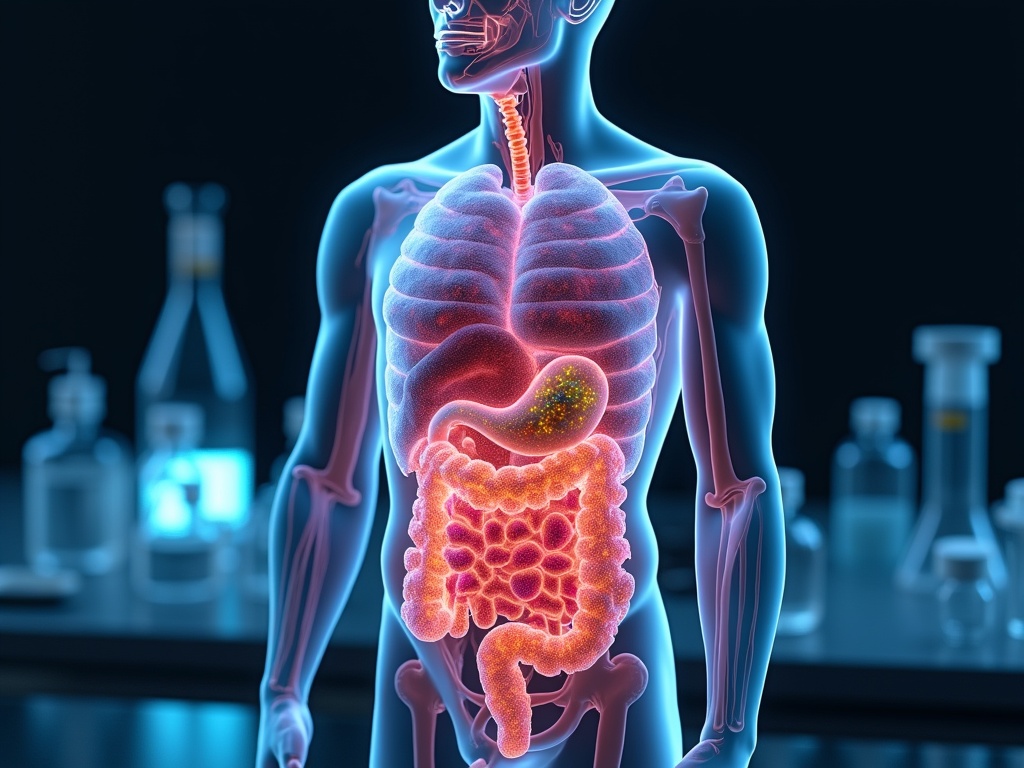
The Gut–Brain Connection: Why Your Belly Talks Back to Your Brain
There’s a legit highway between your gut and your brain.
It’s called the vagus nerve.
This massive nerve sends signals in both directions, letting your brain influence digestion—and your gut actually influence your thoughts and mood.
This system, called the gut–brain axis, also uses:
- The HPA axis (your body’s stress pathway)
- Hormones
- Immune system signals
- Microbial metabolites (the stuff your microbiome produces)
It’s like your gut has its own little brain—called the enteric nervous system. With over 100 million neurons, it’s not messing around.
Some researchers even call the gut the “second brain.”
Here’s the kicker—it’s not just sending data upstream.
It’s influencing anxiety, depression, and mood at a cellular level.
Why All This Suddenly Matters Now
Mental health disorders are rising.
Anxiety and depression affect over 300 million people globally.
And while treatments like therapy and medication help, they’re not always enough—and some patients don’t respond at all.
That’s fueling a massive growth in research into inflammation, immunity, hormones, and the gut microbiome.
We have better tools (like microbiome sequencing) and more curiosity than ever.
And now, it’s clear: if your gut is out of sync, your mood might be too.
Microbiome and Mood Regulation: How the Gut Changes the Way You Feel
It’s not just theory.
The microbiome creates actual chemicals that your brain depends on.
Your Gut Makes Serotonin. Lots of It.
Up to 95% of your body’s serotonin is made in the gut.
That’s the neurotransmitter tied to:
- Mood
- Happiness
- Sleep
- Appetite
- Anxiety
Many antidepressants (like SSRIs) work by keeping serotonin levels high in the brain.
But if your gut is damaged—or your microbiome is unbalanced—your serotonin production may get thrown off.
GABA, dopamine, and more are made in the gut too. These are chemical messengers that either excite or calm the brain.
When your gut microbiota produce too little (or the wrong types), mood issues often follow.
Helpful byproducts like SCFAs (short-chain fatty acids), which come from fermenting fiber, also help regulate inflammation and brain signaling.
So yeah—what’s happening in your intestines really does change your thoughts.
The Vagus Nerve: How the Gut Calls Customer Service on Your Brain
The vagus nerve is like the chat line between your digestive tract and your brain.
Microbes in your gut send signals that travel up this nerve and influence the brain's stress response.
We’ve seen it in mice:
- Germ-free mice (born without microbes) have elevated stress reactivity and lower brain BDNF—an essential growth factor for healthy brain function.
- When researchers introduced certain probiotic strains (like Lactobacillus rhamnosus), those stress levels dropped. They even saw changes in brain gene expression related to mood.
The vagus connection is fast, efficient, and absolutely influenced by your gut microbes.
The Stress Loop: When the Gut Triggers the Brain and Vice Versa
Your HPA axis is your internal stress management system.
It controls cortisol, your main stress hormone.
When your microbiome is out of whack, this system gets triggered too easily—and stays activated longer than it should.
Think: a broken stress dial that’s stuck on high.
Plus, chronic psychological stress makes gut function worse—slowing digestion, increasing gut permeability (“leaky gut”), and shifting the microbial balance in a bad direction.
In short, emotional stress harms your gut.
A damaged gut sends out distress signals (literally) that increase anxiety.
And repeat.
That loop can be vicious—and breaking it often starts in the gut.
Gut Inflammation: The Silent Driver Behind Mood Swings and Sadness
You’ve probably heard the word “inflammation” so much it’s lost meaning.
But here, inflammation is one of the critical ways the gut affects how your brain works.
When the lining of your gut becomes more permeable, bacterial particles can leak into the bloodstream.
That sparks immune activation and the release of inflammatory cytokines—think IL-6, TNF-alpha, and CRP.
And research shows these inflammation markers are elevated in many patients with depression.
This isn’t theory—it’s mechanism.
Microbiota also influence your immune signals upstream, activating or calming the system depending on what’s growing in your gut.
Some gut-associated metabolites, like SCFAs, help dial down inflammation and keep things calm.
I learned this firsthand with a patient who came in for bloating and fatigue.
Turned out, she also had low mood and brain fog.
We worked on her gut—simple dietary changes, gentle probiotics, and stress management—and over 10 weeks, her GI symptoms improved, but so did her mood.
She even told me, “I don’t feel like I live in a fog anymore.”
Just one person, but I’ve seen this pattern too many times to ignore.
One Big Takeaway
When your gut barrier breaks down—and inflammation spikes—your brain feels it.
And it doesn't take much.
So if you're trying to fix your mood and skipping gut health, you're leaving a massive variable unchecked.
Does Gut Health Influence Anxiety and Depression?
Short answer: yes. More than most people think.
We’ve seen evidence across:
- Human observational studies
- Controlled animal trials
- Mechanistic pathways
In simpler terms: researchers have looked at gut microbiota in people with depression and anxiety—and found major differences compared to people without those conditions.
For example:
- Many studies show reduced levels of Firmicutes and elevated Bacteroidetes in patients with major depression
- Mood disorders like bipolar disorder, schizophrenia, and anorexia are also linked to altered gut microbiota
There’s even a small pilot study where increasing dietary fiber improved gut microbial diversity—and that was linked to lower anxiety and depression scores.
Probiotics Help… But It’s Not Magic
Some studies show that multi-strain probiotics can reduce symptoms of depression and anxiety.
The best results tend to come when paired with lifestyle change—not as stand-alone treatments.
Even more wild:
Scientists transferred gut bacteria from depressed humans into germ-free mice—and the mice started acting anxiously and showing depressive behaviors.
Microbes from human patients literally triggered anxiety in rodents.
That’s a level of cause-and-effect you don’t see often in mental health.
But let me say this clearly: Probiotics aren’t cure-alls.
The field is still figuring out:
- Which strains work best for what
- Optimal dosing and duration
- Long-term effects
So if you’re stocking up on generic gut supplements hoping for transformation, it’s worth managing expectations.
Real Progress Usually Needs More Than a Capsule
We need to zoom out and look at food.
And how diets shape the microbiome, which then shapes your stress and emotional state.
Which is exactly where we’re headed next.
Food Is Just the Beginning: Diet Can Shift Mood in Days
Changing your plate can literally change your headspace.
In fact, your gut microbiome can start shifting within 48 hours of a dietary change.
That’s how connected your food is to your brain.
So what exactly do the best “mood foods” look like?
Here’s what I’ve seen work again and again—not as magic, but as real leverage.
The Foods Your Gut (and Brain) Crave
To feed a healthy microbiome—and support mental clarity, resilience, and calm—focus on:
- Diverse whole plant foods: fruits, veggies, legumes, whole grains
- Fermented foods: unsweetened yogurt, kefir, kimchi, sauerkraut
- Healthy fats: extra virgin olive oil, avocados, nuts, and fatty fish (hello, omega-3s)
- Prebiotic-rich sources: garlic, onions, bananas, asparagus, oats
These foods nurture beneficial microbes, increase SCFA production, and reduce inflammatory markers tied to mood disorders.
One meta-analysis found that adherence to a Mediterranean diet was associated with a 33% lower risk of depression.
And that wasn’t from a supplement—it was just food.
What to Watch Out For
If the “yes” foods feed the good bacteria, the “no” foods do the opposite.
- Ultra-processed meals
- Refined sugars
- Artificial sweeteners
- Trans fats
- Excessive alcohol
These disrupt gut barrier integrity (aka encourage leaky gut), stoke inflammation, and promote less beneficial microbes—basically throwing gas on the fire of anxiety or low mood.
When patients come in exhausted, bloated, and foggy, and their food log shows little more than bars, packaged snacks, and takeout—I’ve already got a strong working hypothesis.
You don’t need to eat perfectly. You just need to crowd in more of the good stuff and take out what your gut can’t handle.
Quick Recap: Your Diet = Your Mood Fertilizer
- Your microbes shift fast—your mood might too
- More fiber and fermentation = more gut diversity = less anxiety
- Processed foods spike inflammation and dysbiosis
- You don’t need supplements first—your food does the heavy lifting
Burnout, Bloating, and Broken Sleep — It’s All Connected
Let’s go beyond food.
What we do every day—how we sleep, breathe, manage stress, and move—writes messages to our gut, which then signals back to our brain.
And sometimes those messages are full of anxiety chemicals.
Stress Is Like Pouring Gasoline on a Broken Gut
Psychological stress alters microbiome composition in real-time.
It increases gut permeability.
It slows digestion.
It ramps up cortisol, which disrupts the gut lining and impairs immune balance.
You feel it as:
- More bloating or urgency
- IBS symptoms flaring
- Worsened mood, irritability, or brain fog
It becomes a loop where stress damages your gut, and your gut keeps amplifying stress signals.
This is where a mindfulness practice isn’t just nice—it becomes microbiome medicine.
Even 10 minutes a day of breathwork or meditation has been shown to reduce cortisol and modulate gut microbiota composition.
In my own life, I noticed a huge shift when I started morning journaling and walking daily before screens.
Not just in my mindset—but my digestion calmed, and I felt less reactive all around.

Your Gut Loves Sleep—and It Shows
Sleep deprivation doesn’t just ruin your energy.
It disrupts the microbiota: reducing diversity, increasing bad bacteria, and impacting inflammatory tone.
One study found that just two nights of poor sleep increased gut-damaging bacteria and inflammation markers significantly.
The gut also appears to feed back into sleep regulation—through serotonin and melatonin precursors generated by microbial fermentation.
Here’s why that matters: If you’re trying to fix fatigue or burnout and ignoring sleep, you’re only partway there.
Exercise: Not Just for Endorphins
Regular movement does more than shift mood neurotransmitters—it changes your microbiome.
Studies show that athletes have higher gut microbial diversity and more butyrate-producing bacteria (butyrate is a key SCFA that reduces inflammation and supports mood).
Even moderate aerobic activity increased beneficial strains and improved resilience in stressful conditions.
No magic required. Just get moving—walk, lift, dance, garden. Do what you enjoy.
Because your microbes are listening to your lifestyle.
Lifestyle Summary
- Chronic stress = microbiome shifts + leaky gut + mood spikes
- Poor sleep = less microbial diversity and more inflammation
- Exercise = more good bacteria and fewer sad days
- Your gut reads your life as clearly as a food label
When to Bring Gut Health Into Mental Health Treatment Plans
This is where science meets practice—and where most patients never get guidance.
If you’ve ever felt “off” mentally and also bloated, backed up, or uncomfortable—your gut might be trying to speak.
Clues from the Body That Your Gut’s in the Mix
If a patient comes in with:
- Frequent bloating or bowel changes
- Food intolerances or high stress sensitivity
- A history of both anxiety/depression and gut issues like IBS
- Fatigue and brain fog without clear cause
…I immediately start thinking about the gut–brain axis.
Not to replace their care.
But to complement it.
I don’t drop SSRIs or psychotherapy if they’re helping. I add nutrition, microbiome repair, extra sleep hygiene, and daily movement to stack the odds.
Gut-Focused Add-Ons That Actually Make a Difference
Here’s what can move the needle—with guidance:
- Nutrition support
Not fad-diets—but real, tailored help increasing fiber, omega-3s, fermented foods, and reducing inflammation. - Targeted probiotics
Strains like Lactobacillus helveticus R0052 and Bifidobacterium longum R0175 have been shown in small trials to reduce anxiety and stress markers.
Just not all strains work the same—or at all. This is where your clinician helps choose wisely. - Lifestyle scaffolding
Stress management, circadian alignment, and consistent movement don’t just improve mood—they also fix the foundation the microbiota live on.
Learn more about lifestyle interventions for depression: https://www.encorahealth.com/blog/lifestyle-changes-depression
What to Avoid: Over-Correction and Misinformation
A few words of caution.
Probiotics are generally safe—but not for everyone.
Folks who are immunocompromised or severely ill need close supervision.
And random gut health hacks from the internet?
Skip those.
Microbiome science (https://pmc.ncbi.nlm.nih.gov/articles/PMC10055576/) is evolving rapidly, and while there’s exciting stuff out there—there’s also noise and nonsense.
Clinical Takeaways
- Always start with an individual assessment: gut symptoms + psychological picture
- Conventional care (therapy, medication) stays central—this is support, not substitution
- Start small, track responses, and adjust
- Avoid overhyped biohacks—stay grounded in evidence
“How Long Until I Feel Different?”
This may be the most common question I hear.
And the honest answer?
It depends…
- Some people feel gastrointestinal relief in a week or two
- Mood benefits often take 2–8 weeks
- Long-term mental health resilience may take months of consistent input
In other words—yes, this works. But not overnight.
Your gut didn't get here in a day. It won’t heal in a day either.
Quick FAQ—Because You’re Probably Still Wondering
Which probiotic works for anxiety?
There’s no single “best” strain, but…
- Lactobacillus rhamnosus
- Bifidobacterium longum
- Lactobacillus helveticus
…are among those with the most evidence.
Still, see a provider before starting. Dosing and response matter more than brand hype.
If I have IBS, is my mood automatically affected?
Not always—but it’s very common.
Up to 60% of IBS patients also meet criteria for an anxiety or depressive disorder.
And addressing one often helps the other.
What if I’ve tried changing my diet and nothing’s helping?
Then it’s time to dig deeper.
Maybe there’s hidden food sensitivities, unresolved trauma, poor sleep, or functional GI issues like SIBO.
Gut health isn’t just about kale—it’s about the whole picture.
What You Should Remember When You Finish This Article
Your brain is not its own island.
It thrives—or crashes—based on what’s happening in your body, starting in your gut.
The gut–brain axis (https://pmc.ncbi.nlm.nih.gov/articles/PMC6469458/) isn’t marketing. It’s neurobiology.
And if we ignore it in mental health care, we’re missing one of the most powerful tools we have.
Does that mean everyone needs kefir and probiotics?
Not necessarily.
But it does mean that if you’re anxious, depressed, burnt out, or just not quite yourself…
…it’s worth checking if your microbiome is screaming for help.
Because healing it doesn’t just fix digestion.
It changes the way you see the world.
Don’t sleep on your gut anymore—take care of it, and your mind might follow.
And that’s the real power of gut health and mental health.
Questions, thoughts, or want to work together?
We’re here—contact us at Info@encorahealth.com or (866) 334-3006.
Related Reading:
- Online Psychiatry and Lifestyle Change: https://www.encorahealth.com/blog/online-psychiatry-lifestyle
- Lifestyle and Preventative Care for Mental Health: https://www.encorahealth.com/lifestyle-preventative-care
- Explore More Psychiatric Conditions: https://www.encorahealth.com/psychiatric-conditions
